

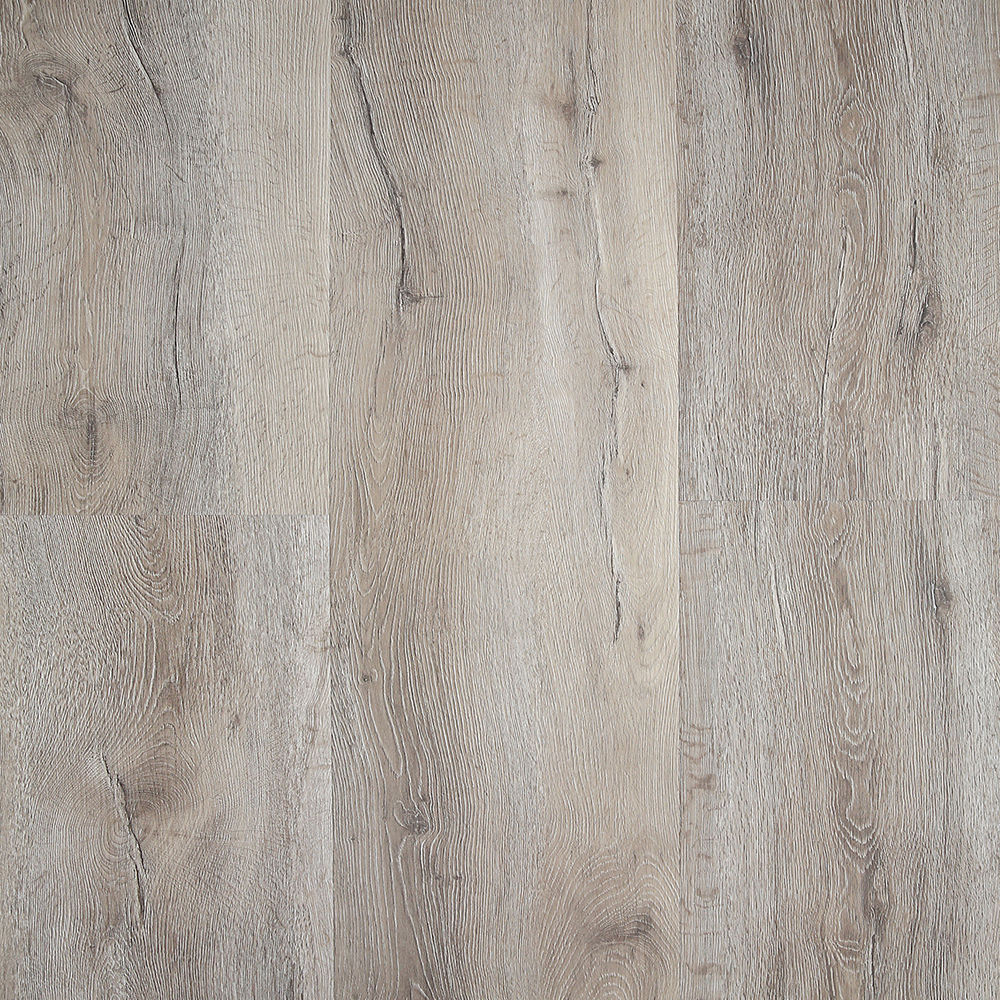

Choosing the right tiles can transform your home, adding style, durability, and long-term value. However, selecting the wrong tiles can lead to expensive repairs, unnecessary maintenance, and a finish that does not meet your expectations.
Whether you are renovating a bathroom, upgrading your kitchen, building a new home, or refreshing your outdoor space, choosing tiles involves more than picking a colour or pattern you love. You also need to consider durability, slip resistance, water absorption, maintenance, installation requirements, and your overall budget.
Many homeowners make avoidable mistakes when buying tiles, often discovering the consequences only after installation. From ordering the wrong quantity to choosing unsuitable finishes, these errors can quickly increase renovation costs.
At Tiles Etc, understanding what to look for before purchasing can help you make informed decisions and choose tiles that suit your space, lifestyle, and budget.
Here are 10 common tile selection mistakes that could cost you thousands and how to avoid them.
1. Choosing Tiles Based on Appearance Alone
One of the most common mistakes when selecting tiles is prioritising appearance over practicality.
A tile might look beautiful in a showroom or online, but that does not automatically mean it is suitable for your intended space. A glossy tile that looks elegant on a bathroom wall, for example, may not provide the slip resistance needed for a wet floor.
Similarly, delicate natural stone may require more maintenance than you anticipated, while certain decorative tiles may not be designed to withstand heavy foot traffic.
Before choosing tiles, consider:
- Where the tiles will be installed.
- How much foot traffic the area receives.
- Whether the surface will be exposed to water.
- How much maintenance the material requires.
- Whether the tile is suitable for indoor or outdoor use.
How to avoid this mistake: Always check the manufacturer’s specifications and confirm that the tile is suitable for its intended application. Balance aesthetics with performance to make a choice you will appreciate for years.
2. Buying the Wrong Type of Tiles for Your Space
Not all tiles are designed for the same purpose. Choosing the wrong type can result in premature wear, maintenance problems, or even the need for replacement.
For example, tiles suitable for a living room may not be appropriate for a shower floor. Outdoor tiles also need to withstand environmental conditions that indoor tiles may never encounter.
Here are some important considerations for different areas of your home.
Bathroom Tiles: Choose products suitable for wet areas, paying particular attention to slip resistance for bathroom and shower floors.
Kitchen Tiles: Consider durability, ease of cleaning, and resistance to everyday spills. Floor tiles should be appropriate for the expected foot traffic.
Living Room Tiles: Look for durable flooring options that complement your interior design and suit your household’s needs.
Outdoor Tiles: Choose tiles specifically rated for outdoor use, with appropriate slip resistance and resistance to local weather conditions.
Pool Area Tiles: Consider slip resistance, barefoot comfort, moisture exposure, and suitability for the specific poolside application.
How to avoid this mistake: Identify where each tile will be installed before shopping. Ask your tile supplier to confirm the product’s suitability for the intended location.
3. Ignoring Slip Resistance
Safety is an important consideration when choosing tiles, particularly in bathrooms, laundries, outdoor entertaining areas, and pool surrounds.
Smooth or polished tiles can become slippery when wet, potentially increasing the risk of falls. Selecting an appropriate surface finish can help reduce this risk.
However, slip resistance should not be judged by appearance or texture alone. A tile that feels rough may not necessarily meet the requirements for a particular wet area.
When comparing tiles, consider:
- The location where the tile will be installed.
- Whether the surface will frequently become wet.
- The type of footwear or barefoot use expected.
- The tile’s documented slip-resistance test results.
- Applicable building requirements and recommendations.
How to avoid this mistake: Check the manufacturer’s slip-resistance information and seek professional advice when selecting tiles for wet areas. The appropriate classification depends on the application and conditions.
Making the right decision at the purchasing stage can help avoid costly modifications and improve the safety of your finished space.
4. Ordering Too Few or Too Many Tiles
Incorrect tile quantities can cause unnecessary expenses and project delays.
Ordering too few tiles may mean purchasing additional boxes later. The same colour or design can sometimes vary slightly between production batches, making replacement tiles noticeably different from those already installed.
On the other hand, ordering significantly more tiles than required can tie up your budget and leave you with unused stock.
The amount of wastage depends on the room layout, tile size, installation pattern, number of cuts, and complexity of the project.
As a general starting point, many projects allow approximately 10% extra tiles for cutting and wastage. However, complex layouts, diagonal patterns, or unusually shaped spaces may require more.
How to avoid this mistake:
- Measure the length and width of the area.
- Calculate the total area in square metres.
- Account for doorways, niches, corners, and other layout details.
- Add an appropriate allowance for cutting and wastage.
- Confirm the final quantity with your tiler or tile supplier.
For example, if you need to cover 40 square metres and allow 10% extra, you would need approximately 44 square metres of tiles.
Always check the coverage per box and purchase enough tiles from the same batch where possible. Keep some spare tiles for future repairs.
5. Overlooking Tile Size and Room Proportions
Tile size can significantly influence how a room looks and feels.
Large-format tiles can create a clean, contemporary appearance with fewer grout lines. Smaller tiles can introduce texture, detail, and visual interest. However, the wrong size can make a space feel unbalanced or increase installation complexity.
For example, very large tiles may require additional cutting in a small bathroom with multiple corners, niches, and drainage points. This can increase installation time and material wastage.
Likewise, using small tiles across a large floor may create more grout lines than you want, increasing cleaning requirements.
How to avoid this mistake: Consider the dimensions of your room, the location of fixtures, and the desired visual effect before choosing tile sizes.
Ask your tiler to assess the layout and determine whether the selected tiles can be installed efficiently. A carefully planned layout can improve the final appearance and reduce unnecessary waste.
6. Choosing the Wrong Tile Colour
Tile colour affects the appearance of your entire space. A shade that looks perfect under showroom lighting may appear completely different in your home.
Natural light, artificial lighting, wall colours, cabinetry, and surrounding materials can all influence how a tile looks once installed.
Choosing a colour without considering these factors can result in an interior that feels too dark, too busy, or inconsistent with your design.
Here are a few things to remember:
- Light-coloured tiles can help create a bright, open appearance.
- Dark tiles can introduce depth and contrast but may make dust or certain marks more noticeable.
- Neutral tiles offer versatility and can complement a wide range of interior styles.
- Patterned tiles can create a striking feature but may overwhelm a space if used excessively.
Remember that grout colour also affects the finished look. Contrasting grout can highlight the tile layout, while a similar shade can create a more seamless appearance.
How to avoid this mistake: Take tile samples home and view them under your actual lighting conditions. Compare them with your paint colours, cabinetry, benchtops, and other finishes before making a final decision.
7. Forgetting About Grout and Installation Costs
One of the biggest budgeting mistakes is focusing only on the price of the tiles.
Your total tiling budget may also include adhesive, grout, levelling systems, surface preparation, waterproofing where required, labour, cutting, trims, and other finishing materials.
Choosing an expensive tile does not automatically mean you will have an expensive installation. However, certain tile sizes, materials, patterns, and finishes may require more specialised installation techniques.
For example, natural stone, intricate mosaics, and large-format tiles may require additional preparation or specialist installation skills.
Grout also matters. The colour, type, and maintenance requirements of grout can influence the final appearance and long-term upkeep of the tiled surface.
How to avoid this mistake: Request a detailed estimate before committing to your tile selection. Ask your installer about labour costs, preparation requirements, adhesives, grout, trims, and any additional materials.
Comparing the complete project cost rather than the price per square metre helps you make a more realistic budget.
8. Ignoring Maintenance Requirements
Some tiles are easier to maintain than others. Choosing a material without understanding its cleaning and maintenance requirements can lead to unexpected costs over time.
For instance, certain natural stone tiles may require periodic sealing, while some textured surfaces can collect dirt more readily than smoother alternatives.
Grout joints can also accumulate residue and may require regular cleaning to maintain their appearance.
Porcelain tiles are often popular because many varieties are durable and relatively easy to maintain. However, the care requirements still depend on the product’s finish, installation, and intended use.
How to avoid this mistake: Before buying tiles, ask about:
- Recommended cleaning products.
- Whether sealing is required.
- Resistance to stains and common household substances.
- Grout cleaning and maintenance.
- Any restrictions on cleaning chemicals.
Choose a tile that fits the amount of time and effort you are willing to invest in ongoing maintenance.
9. Choosing Tiles Without Considering the Long-Term Value
The cheapest tile is not always the most economical option.
While lower-priced tiles may help reduce initial material costs, the overall value depends on durability, suitability, installation expenses, maintenance, and expected lifespan.
Likewise, a premium tile is not necessarily the best choice for every project. Paying more for features you do not need may increase your budget without providing meaningful benefits.
The goal is to find tiles that meet your practical requirements while staying within your budget.
When comparing products, consider:
- Purchase price per square metre.
- Expected durability for the intended application.
- Installation complexity and labour costs.
- Cleaning and maintenance requirements.
- Availability of replacement tiles.
- Suitability for your household and lifestyle.
How to avoid this mistake: Compare tiles based on their overall value rather than price alone. A suitable, durable product that meets your needs can be a better investment than an unsuitable alternative, regardless of its initial price.
10. Skipping Professional Advice Before Purchasing
Choosing tiles without consulting an experienced supplier or installer can lead to avoidable mistakes.
You may select a tile that is unsuitable for the installation surface, underestimate the quantity required, or overlook technical requirements that affect the final result.
Professional advice is particularly useful when selecting tiles for bathrooms, balconies, pool surrounds, commercial spaces, and other areas with specific performance requirements.
An experienced tiler can help assess the substrate, layout, cutting requirements, and installation method. A knowledgeable tile supplier can also help you compare materials, finishes, and product specifications.
How to avoid this mistake: Discuss your project requirements with your tile supplier and installer before placing your order. Share measurements, photographs, plans, and information about the intended application.
Confirm that the selected tiles, adhesives, grout, and other installation materials are compatible with one another and suitable for the environment.
A little planning before purchasing can help prevent expensive surprises during installation.
Bonus Tip: Always Check Your Tiles Before Installation
Even after selecting the right tiles, it is important to inspect the delivery before installation begins.
Check that the product name, colour, size, finish, and batch information match your order. Open several boxes to inspect the tiles for visible damage or inconsistencies.
Natural materials and some manufactured tile products can have variations in colour, pattern, and texture. Reviewing the tiles before installation helps you understand their appearance and identify any concerns early.
If you notice a problem, contact your supplier before installation proceeds. Installing tiles before checking them can make it more difficult and expensive to address discrepancies.
Why Choose Tiles Etc for Your Next Tiling Project?
Choosing the right tiles is an important step towards creating a beautiful, functional, and long-lasting space.
Whether you are renovating a bathroom, updating your kitchen, refreshing your living room, or transforming your outdoor area, selecting suitable tiles can help you avoid unnecessary costs and achieve the finish you want.
At Tiles Etc, you can explore different tile styles, colours, sizes, and finishes to find options that suit your project and design preferences.
From contemporary interiors to practical outdoor spaces, taking the time to compare tile options and understand their specifications can help you make a more informed purchasing decision.
Before starting your next renovation, explore the available tile collections at Tiles Etc and choose tiles that balance style, practicality, and long-term value.
Final Thoughts
Choosing tiles involves more than finding a design you love. The wrong decision can lead to wasted materials, higher installation costs, ongoing maintenance, and expensive replacements.
By avoiding these 10 common tile selection mistakes, you can make more informed decisions, manage your renovation budget, and choose tiles that suit your space and lifestyle.
Take the time to compare products, check specifications, plan your layout, and seek professional advice before purchasing.
Ready to choose the right tiles for your next project? Explore the available collections at Tiles Etc and find options that combine style, practicality, and lasting value.
Leave a Reply