

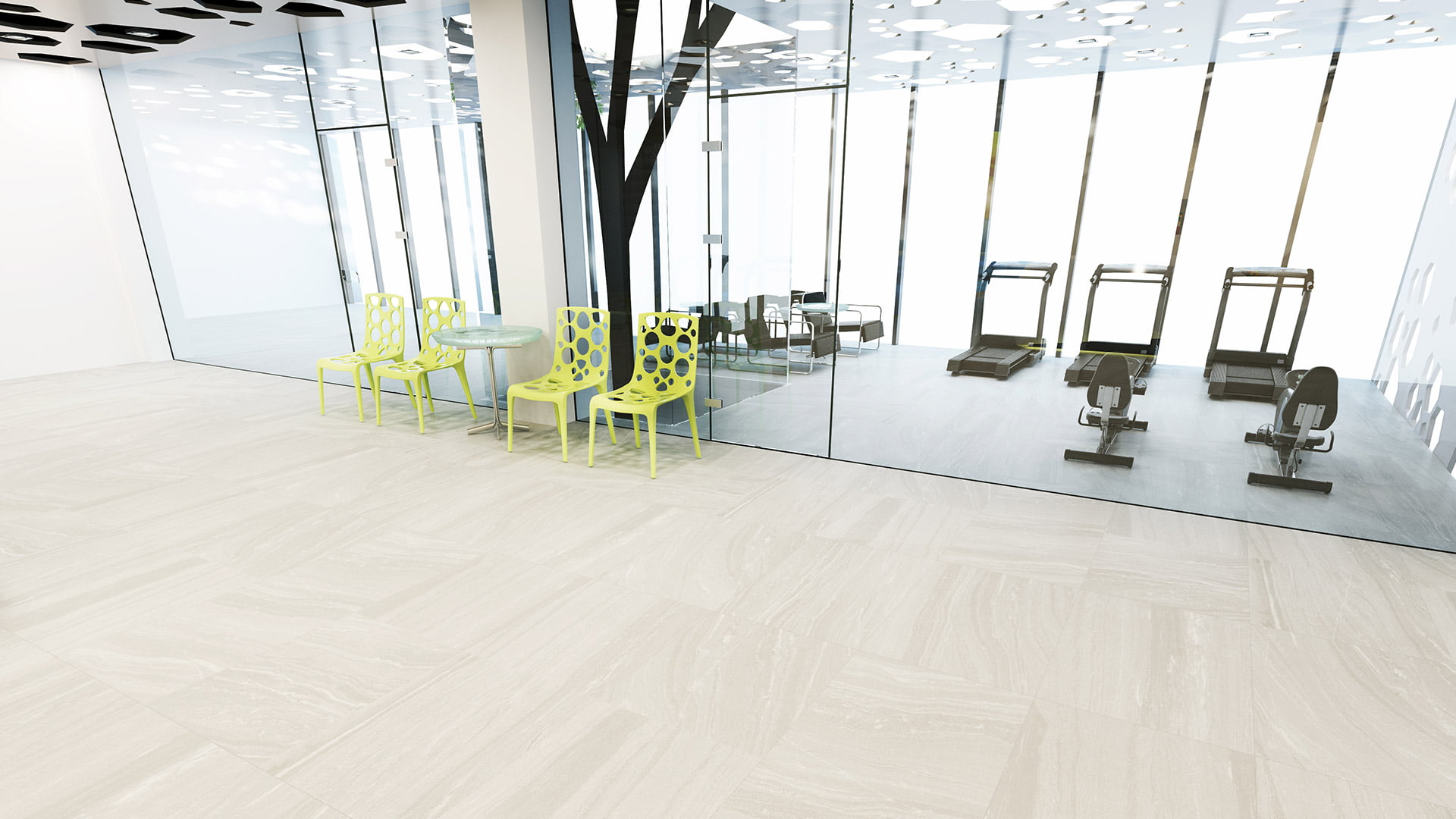

Choosing the right flooring is about more than aesthetics. While colour, texture, and design play an important role in creating beautiful interiors, safety should also be a priority. Wet bathroom floors, kitchen spills, rainy balconies, and outdoor walkways can increase the risk of slips and falls, making flooring selection an important consideration for every homeowner.
This is where slip resistant tiles make a difference. Designed with surface characteristics that help improve traction under specified conditions, these tiles can be a practical choice for areas where moisture, spills, or frequent foot traffic are common.
Whether you are renovating your bathroom, upgrading your kitchen, designing a balcony, or choosing flooring for your patio, selecting suitable slip resistant tiles can help you create a safer and more comfortable living environment.
At Tiles etc, homeowners can explore tile designs that balance visual appeal with practical flooring requirements. Understanding tile finishes, slip resistance ratings, materials, and maintenance needs will help you make a more informed decision for every area of your home.
In this guide, we explain what slip resistant tiles are, where to use them, how to choose the right options, and what to consider before buying.
What Are Slip Resistant Tiles?
Slip resistant tiles are floor tiles designed and tested to provide a suitable level of traction under specified conditions. Their surface texture, finish, material, and design can influence how much grip they provide when walked on.
Unlike tiles selected primarily for their appearance, slip resistant tiles are chosen with greater attention to how the floor performs during everyday use.
They are particularly useful in areas where floors may become wet, oily, or exposed to other substances that affect traction.
Common applications include:
- Bathrooms and shower areas.
- Kitchens and utility rooms.
- Balconies and terraces.
- Patios, gardens, and outdoor walkways.
- Poolside areas.
- Entranceways and other moisture-prone spaces.
It is important to understand that no tile is completely slip-proof in every situation. Actual performance depends on the tile’s tested properties, the presence of water or contaminants, footwear, cleaning practices, and installation quality.
Why Should Homeowners Choose Slip Resistant Tiles?
1. Improve Everyday Safety
Bathrooms, kitchens, and outdoor areas can become slippery when exposed to water. Suitable slip resistant tiles can help improve traction and reduce the likelihood of slipping when selected for the specific environment.
This is particularly important in homes with children, older adults, or people who may have difficulty maintaining balance.
2. Make Bathrooms Safer
Bathroom floors frequently come into contact with water from showers, washbasins, and bathing activities. Choosing tiles suitable for wet barefoot use can help improve underfoot traction.
For shower floors, pay particular attention to the manufacturer’s recommendations for wet areas and barefoot use rather than relying on appearance or texture alone.
3. Support Safer Kitchen Flooring
Kitchen floors can be exposed to water, food spills, cooking oils, and cleaning products. These substances can change how a floor behaves underfoot.
Slip resistant kitchen tiles selected for the expected conditions can help improve traction while offering a practical surface for everyday cleaning.
4. Improve Outdoor Usability
Balconies, patios, and terraces may be exposed to rain, dust, algae, and changing weather conditions. Outdoor-rated slip resistant tiles can help make these areas more suitable for regular use.
However, appropriate drainage, installation, and maintenance remain essential for long-term safety.
5. Combine Safety with Modern Design
Slip resistant tiles are available in a wide variety of colours, textures, sizes, and patterns. Homeowners can choose stone-look, concrete-look, wood-look, and other contemporary designs without treating safety and aesthetics as competing priorities.
The key is to select a product that meets the technical requirements of the area while complementing the overall interior or exterior design.
Types of Slip Resistant Tiles for Different Areas of Your Home
Different spaces require different flooring characteristics. Here is how to approach tile selection for the most common applications.
1. Bathroom Slip Resistant Tiles
Bathrooms are among the most important areas to consider when selecting anti-skid flooring.
Water from showers and washbasins can create slippery conditions, particularly on smooth surfaces. Choose bathroom floor tiles with suitable wet-area performance and follow the manufacturer’s guidance for the intended application.
What to look for:
- Tested slip resistance suitable for the bathroom environment.
- Appropriate performance for wet barefoot use in showers.
- A surface that can be cleaned effectively.
- Tile sizes and layouts that accommodate suitable drainage.
- Compatibility with bathroom waterproofing and installation systems.
Matte and textured tiles are popular choices, but a matte finish alone does not guarantee slip resistance. Always check the product specifications.
2. Slip Resistant Kitchen Tiles
Kitchen flooring should balance traction, stain resistance, ease of cleaning, and durability.
Food spills, cooking oil, and water can create hazards, so homeowners should select tiles suited to the likely contaminants and cleaning requirements of the space.
What to look for:
- Suitable slip resistance for the kitchen environment.
- A surface that is practical to clean.
- Resistance to common household stains.
- Appropriate durability for regular foot traffic.
- Grout and installation materials suited to kitchen use.
Avoid assuming that a heavily textured tile is automatically the safest or easiest to maintain. The best choice balances tested traction with effective cleaning.
3. Balcony and Terrace Slip Resistant Tiles
Balconies and terraces are exposed to rain, dust, sunlight, and other environmental conditions. Tiles used in these areas must be suitable for exterior installation.
What to look for:
- Exterior-rated tile specifications.
- Suitable slip resistance when wet.
- Appropriate water absorption and weather performance.
- Correct surface slope and drainage.
- Suitable adhesives, grout, and movement joints.
Choosing an attractive outdoor tile is only part of the process. Proper installation and drainage are essential to prevent standing water and other problems.
4. Outdoor Patio and Garden Tiles
Patios, garden paths, and outdoor seating areas need flooring that complements the landscape while providing appropriate traction.
Textured porcelain tiles and suitable natural stone products may be options, depending on the application and local conditions.
Consider the amount of rainfall, exposure to shade, likelihood of algae growth, expected foot traffic, and maintenance requirements before selecting a tile.
5. Poolside Slip Resistant Tiles
Poolside areas need particular attention because people often walk barefoot on wet surfaces.
Select tiles specifically tested and recommended for the intended wet barefoot environment. Consider drainage, surface temperature, cleaning requirements, and compatibility with the pool’s surrounding construction.
A product suitable for an ordinary balcony may not necessarily be suitable for a poolside area.
How to Choose the Best Slip Resistant Tiles
Selecting the right tile involves more than choosing a rough-looking surface. The following factors can help you make a better decision.
1. Check the Slip Resistance Rating
Slip resistance can be evaluated using different test methods, and the results are not directly interchangeable.
Depending on the product and market, you may encounter classifications such as R9 to R13 under the DIN 51130 ramp test, which evaluates slip resistance under specified conditions using footwear. Wet barefoot applications may use a different test, such as DIN 51097.
These classifications should be interpreted according to the relevant testing method and intended application. A rating from one test should not automatically be treated as equivalent to a result from another.
When buying tiles, ask the supplier for the manufacturer’s test documentation and recommendations for the exact area where the tiles will be installed.
2. Choose the Right Surface Finish
Tile finishes influence appearance, cleaning, and underfoot performance.
- Matte finish: Offers a subtle appearance and may be suitable for many residential floor applications.
- Textured finish: Can provide additional surface characteristics intended to improve traction.
- Structured finish: Often considered for selected outdoor or demanding applications.
- Polished finish: Creates a glossy appearance but may be unsuitable for certain wet-floor environments.
These descriptions are not substitutes for testing. A matte or textured tile is not automatically slip resistant, and a polished tile should not be selected for a wet area without confirming its suitability.
3. Consider the Tile Material
Porcelain tiles are a popular flooring option because many varieties offer low water absorption, durability, and a broad range of finishes.
Ceramic tiles may also be suitable for selected residential applications, provided the specific product is designed for the intended floor and environmental conditions.
Natural stone offers distinctive textures and colours but may require additional sealing, cleaning, or maintenance depending on the stone type.
Always select a product based on its tested performance and installation requirements rather than material name alone.
4. Think About Tile Size and Layout
Tile size can affect the number of grout joints and the layout required to achieve proper drainage.
Smaller tiles may be useful in shower floors and other areas where multiple joints help accommodate a sloped surface. Larger tiles can create a more spacious appearance, but they must be suitable for the floor’s geometry and drainage requirements.
Your installer can help determine the appropriate tile dimensions and layout for each area.
5. Evaluate Maintenance Requirements
Dirt, soap residue, grease, and algae can affect floor traction. Even a suitable slip resistant tile can become hazardous if it is not cleaned and maintained correctly.
Before purchasing, ask about recommended cleaning products, stain resistance, grout maintenance, and any special care requirements.
Slip Resistant Tiles vs Regular Tiles: What Is the Difference?
The main difference is the attention given to tested traction and suitability for the intended environment.
Slip resistant tiles are selected based on their performance under specified test conditions and the needs of the application.
Regular tiles may prioritize other characteristics, such as a polished appearance, decorative pattern, or ease of cleaning, and may or may not offer suitable slip resistance for wet environments.
Neither category should be judged by appearance alone. A tile’s technical specifications and intended use provide a more reliable basis for selection than labels such as matte, glossy, or textured.
For moisture-prone spaces, verify that the exact product is recommended for the relevant wet conditions.
Common Mistakes to Avoid When Buying Slip Resistant Tiles
Homeowners can avoid costly mistakes by considering the following points before making a purchase.
- Choosing tiles based only on looks: Confirm tested slip resistance and application suitability before deciding.
- Assuming every matte tile is anti-skid: Matte finishes do not automatically guarantee adequate traction.
- Using indoor tiles outdoors: Exterior areas may require different specifications for weather, moisture, and slip resistance.
- Ignoring shower-floor requirements: Wet barefoot areas may require a different test classification from areas used with footwear.
- Overlooking drainage: Poorly drained floors can leave standing water, increasing safety risks.
- Using unsuitable cleaning products: Residue or inappropriate chemicals can affect the floor’s surface and performance.
- Neglecting grout and installation: Incorrect slopes, poor workmanship, and unsuitable materials can undermine the safety and durability of the flooring.
A carefully selected tile, installed correctly and maintained regularly, offers a more dependable result than a decision based solely on colour or texture.
How to Maintain Slip Resistant Tiles
Proper maintenance helps preserve the appearance and intended performance of slip resistant flooring.
Follow these practical tips:
- Sweep or vacuum regularly to remove loose dirt and dust.
- Clean spills promptly, especially oil, soap, and food residue.
- Use cleaning products recommended by the tile manufacturer.
- Avoid leaving soap or detergent residue on bathroom floors.
- Keep outdoor drainage points clear of debris.
- Remove algae and biological growth using suitable cleaning methods.
- Inspect grout joints and replace damaged materials when necessary.
- Follow the manufacturer’s care instructions for natural stone and other specialist surfaces.
Avoid applying waxes, coatings, or treatments unless the manufacturer confirms that they are suitable for the tile. Some products can leave residues that change surface traction.
Why Explore Slip Resistant Tiles at Tiles etc?
Choosing flooring for a home involves balancing design preferences with safety, durability, and maintenance.
At Tiles etc, homeowners can explore tile options for different areas of their homes and consider designs that complement modern interiors and outdoor spaces.
When evaluating slip resistant tiles, look for:
- Designs suited to bathrooms, kitchens, balconies, and patios.
- Surface finishes recommended for the intended application.
- Relevant manufacturer testing and technical specifications.
- Colours and patterns that complement your interior design.
- Product information covering cleaning, installation, and maintenance.
The best tile choice depends on where it will be installed and the conditions it will experience. Confirm the specifications of the exact product before making your final selection.
Explore the available collections at Tiles etc and consult the team about suitable flooring options for your next home improvement project.
Conclusion: Choose Slip Resistant Tiles for a Safer, More Functional Home
Flooring influences both the appearance and everyday usability of your home. From bathrooms and kitchens to balconies and outdoor patios, choosing suitable slip resistant tiles can help improve traction and support safer movement.
The best results come from understanding the intended application, checking relevant test ratings, selecting an appropriate surface finish, and ensuring correct installation and maintenance.
At Tiles etc, explore tile designs that combine visual appeal with practical flooring considerations. Whether you are renovating a bathroom, upgrading your kitchen, or planning an outdoor space, make an informed choice based on the needs of your home.
Choose the right surface. Prioritize everyday safety. Discover suitable slip resistant tiles with Tiles etc.
Leave a Reply